The Tale Behind The Tune: “La Grange” by ZZ Top
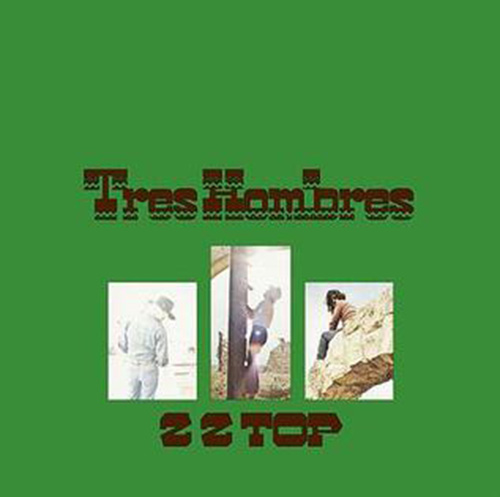
“La Grange” landed on ZZ Top’s 1973 album Tres Hombres and quickly became the song that introduced a lot of people to that little ol’ band from Texas. The riff alone is enough to get heads nodding and feet moving. But the story behind it is pure Lone Star folklore mixed with pure accident.
The lyrics point directly at a place that really exists. Outside the small town of La Grange, Texas, sat a farmhouse that had been operating as a brothel since 1905. Locals called it the Chicken Ranch. No neon signs. No flashy advertising. Just a quiet operation that ran with the quiet approval of local law enforcement and politicians for decades. Young men in Texas treated a trip out there as something of a rite of passage, right up there with a run down to the Mexican border. Billy Gibbons has never been shy about admitting he made that trip. “Unabashedly, the answer is yes,” he has said. The place was clean, well-managed, and run with a firm hand by the madam. During the Depression, the story goes, you could even pay with an actual chicken and that detail alone is pure Texas.
Gibbons and the band turned that local legend into a few sparse, knowing lines. “Rumor spreadin’ ’round in that Texas town about that shack outside La Grange.” They never spell out exactly what went on inside those walls but they really didn’t need to. The wink is right there in the delivery. The closing lines, “I hear it’s tight ’most every night, but I might be mistaken,” came from an unexpected source. Gibbons had been reading a book about Buddy Holly by Dave Marsh. One chapter focused on “Peggy Sue Got Married” and how Holly left the ending open and without a clean rhyme. That stuck with Gibbons. He borrowed the idea and left his own little question mark at the end of the song.
The music itself started even simpler. During the Tres Hombres sessions the band would warm up with a particular blues vamp that they kept stretching out. Eventually they started asking themselves if it was actually a song. Then they stopped asking and just played. The backbone is pure John Lee Hooker. The opening groove leans hard on “Boogie Chillen’,” the 1948 classic. Gibbons has never denied the debt. Years later a publisher tried to sue over it but a federal judge tossed the case in 1995, ruling the Hooker song was already in the public domain. The famous “a-how-how-how” vocal interjection also nods toward Hooker’s “Boom Boom.”
Basic tracks for the album were cut at Robin Hood Studios in Tyler, Texas, with engineer Robin Brians. The tapes then headed to Ardent Studios in Memphis, where Terry Manning handled overdubs, mixing, and editing. Manning has said “La Grange” stood out immediately. It had a sparkle the other tracks didn’t quite match but mixing it turned out to be a chore. Gibbons had layered in a bunch of spoken asides and little comments. Manning and the band spent time deciding which ones to keep and which ones to erase, physically moving tape around until the balance felt right.

One of the better stories about the vocal comes from the session itself. The band had been struggling to land the right vocal approach but nothing was clicking. The studio manager finally suggested a lunch break and headed out for barbecue, a trip that could take a while from the Memphis location. Gibbons sat down in a folding chair, pulled the microphone close, and told the engineer to roll the track. Whatever came out of his mouth that afternoon became the vocal that stuck. The engineer started waving through the glass, telling him not to stop. By the time the barbecue arrived, the song was essentially finished.
Gibbons used a 1955 Fender Stratocaster for the intro and his famous 1959 Gibson Les Paul, Pearly Gates, for the main riff and solos. Both went through a Marshall Super Lead. He has talked about using a coin as a pick on some of those sessions. The solo itself was knocked out in just a few takes. The whole track came together fast, which is how a lot of the best ZZ Top material seems to work out.
The single came out in early 1974 and climbed to number 41 on the Billboard Hot 100. That was enough. Tres Hombres cracked the top ten and the band was no longer just a Texas secret. The Chicken Ranch itself closed later in 1973 after Houston television reporter Marvin Zindler did a series of stories on it. Some people like to claim the song helped shut the place down but the timeline doesn’t really support that. The song was more celebration than exposé with Frank Beard later calling it something closer to a eulogy once the place was gone.
Fifty years on, “La Grange” still works the same way it did the first time you heard it. The riff walks in like it owns the room and the groove never lets up. And that Texas story underneath it all still feels like something you shouldn’t be talking about in polite company, which is exactly why it still lands. ZZ Top didn’t invent the blues boogie. They just gave it a Texas accent and a few knowing lines about a shack outside of town. Sometimes that’s all a song actually needs.