From Port Sunlight to San Francisco: The Two August 18ths That Completed the Beatles
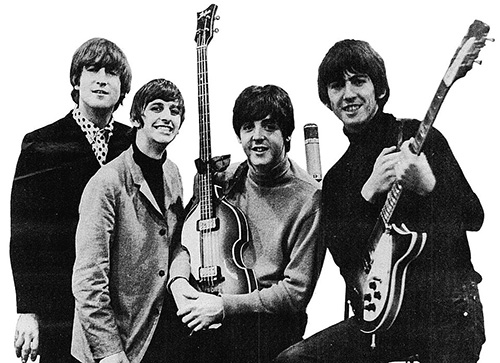
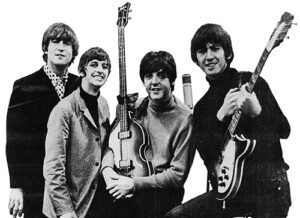
On August 18, 1962, in a modest hall on the Wirral Peninsula, the classic Beatles lineup took the stage together for the first time. Exactly two years later, on August 18, 1964, the same four musicians boarded a plane in London and flew toward the United States to begin their first full North American concert tour. The coincidence of the date links two pivotal moments: the quiet completion of the band and the explosive expansion of their global reach.
The story of the first date begins with a change that was obviously needed. On August 16, 1962, manager Brian Epstein informed Pete Best that he was no longer the Beatles’ drummer. The decision had been building for months. John Lennon, Paul McCartney, and George Harrison valued Best’s steady presence and good looks, yet they found his drumming limited and his personality somewhat detached from their own tight circle. They wanted a player who could lock in more tightly and who shared their sense of humor and camaraderie. It’s famously difficult to make a band work when the players don’t like each other.
Ringo Starr, known only as Richard Starkey at the time, was with Rory Storm and the Hurricanes but he stood out as the obvious choice. He had already sat in with the Beatles on several occasions in Hamburg and Liverpool when Best was unavailable. The three front-line members liked both his playing and his temperament. Epstein contacted Starr while the Hurricanes were working a season at Butlin’s holiday camp in Skegness. Starr accepted, shaved his beard, and adopted the group’s emerging hairstyle.
On the evening of August 18th the newly formed quartet arrived at Hulme Hall in Port Sunlight for the local horticultural society’s seventeenth annual dance. After a two-hour rehearsal they took the stage around 10 p.m. The hall’s official capacity was about 450, but the growing local reputation of the Beatles pushed attendance toward 500. Support acts filled out the bill but the focus remained on the headliners.
Not everyone welcomed the change with some fans of Best making their feelings known with chants of “We want Pete.” The reaction was louder the following night at the Cavern Club and in the days that followed. Still, those who listened carefully recognized the difference. Starr’s solid, swinging style gave the band a more confident foundation. McCartney later recalled that the group had wanted “the greatest drummer in Liverpool,” and in their eyes Starr fit the description. The chemistry that would define the Beatles was now complete.
Two years later the same four men stood at the center of a cultural phenomenon that had already charged across the Atlantic. Their February 1964 visit, highlighted by appearances on The Ed Sullivan Show and short East Coast concerts, had ignited Beatlemania in America. Records sold in staggering numbers and the film A Hard Day’s Night opened to enormous success. By midsummer the demand for a proper coast-to-coast tour had become irresistible.
On August 18, 1964, the Beatles left London Airport at midday. Their destination was San Francisco, the starting point of a 32-show tour that would run through September 20 and take them across the United States and into Canada. The flight included refueling stops in Winnipeg and Los Angeles. In Winnipeg, hundreds of fans gathered on the airport roof for a glimpse. In Los Angeles, roughly two thousand more waited. When the plane finally reached San Francisco International Airport the next afternoon, an estimated nine thousand people were on hand. Police struggled to hold the barriers as the band made a brief appearance on a temporary platform before heading to their hotel.

The tour itself opened the following night, August 19, at the oddly-named Cow Palace in Daly City. More than 17,000 fans filled the venue. The screaming began before the first note and rarely subsided. The set was short by modern standards, typically a dozen songs, yet the intensity of the response set a new template for stadium-scale rock performance. Over the next month the Beatles played arenas and auditoriums from Las Vegas to New York, often two shows a day, while the machinery of modern touring (charter planes, heavy security, and carefully managed press conferences) struggled to keep pace with the demand.
The parallel dates illuminate the speed of the Beatles’ ascent. In 1962 they were still a hardworking Liverpool group refining their sound in local halls and ballrooms. By 1964 they had become the most famous musicians on the planet, capable of drawing thousands of fans to an airport simply by landing there. The continuity of personnel made the transformation possible. Starr’s arrival stabilized the rhythm section and completed the personal chemistry that allowed the songwriting partnership of Lennon and McCartney, along with Harrison’s growing contributions, to flourish without internal friction over the drummer’s role.
Both evenings also reveal how ordinary venues and ordinary travel days can become historic. Hulme Hall was a community space used for dances and gatherings. The first night cemented the lineup that would record Please Please Me, With the Beatles, and everything that followed. The second launched the full-scale American campaign that confirmed the group’s international dominance and helped reshape the business of live popular music.
Looking back from a distance of more than six decades, the shared date feels almost scripted. On one August 18th a young drummer from the Hurricanes stepped into a local hall and helped turn three ambitious musicians into the Beatles as the world would know them. On the next, those same four men left Britain to claim a continent that was already waiting for them. Between the horticultural society dance and the Cow Palace, the band had traveled from regional act to global force. The calendar just happened to mark both departures with the same day.