After 56 Years in the Shadows: Over 80 Minutes of Led Zeppelin’s 1970 Bath Festival Footage Finally Surfaces
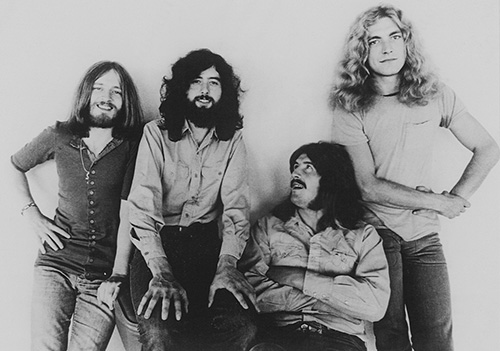
For decades, collectors and historians treated Peter Whitehead’s film of Led Zeppelin at the Bath Festival as one of rock’s great near-misses. Rumors swirled that substantial color 16mm footage existed. Fragments appeared and then mysteriously vanished. Most fans assumed the bulk of it was either unusable or lost forever. That assumption ended in dramatic fashion this week.
Film archivist ledzepfilm has uploaded the complete known reels, more than 80 minutes in total, of the band’s performance at the Bath Festival of Blues and Progressive Music on June 28, 1970. The YouTube presentation runs roughly 84 minutes and assembles every surviving frame shot by Whitehead and cameraman Ernie Vincze. It is the most significant single addition to the visual record of Led Zeppelin in years.
The festival, held at the Bath & West Showground in Shepton Mallet, drew an estimated 100,000 to 150,000 people over the weekend. Led Zeppelin headlined the Saturday night bill that also featured Pink Floyd, Jefferson Airplane, Frank Zappa, Santana, The Byrds, Canned Heat, and others. For Zeppelin it was their largest UK audience to date and a clear turning point. They received five encores and the reviews were positive. The show helped lock their status in at home after the American breakthrough of Led Zeppelin II.
What makes the footage special is its range. Viewers see Jimmy Page preparing backstage, at one point with then-girlfriend Charlotte Martin. Robert Plant and John Bonham appear in quieter moments away from the stage. There is rare documentation of the band’s first public acoustic performance of “That’s the Way,” a song that would appear on Led Zeppelin III later that year. One of the earliest known live versions of “Immigrant Song” is captured. Extended sections of “Dazed and Confused” include Page’s violin-bow work. “Since I’ve Been Loving You,” “Whole Lotta Love,” and Bonham’s showcase “Moby Dick” also appear. Audience shots and festival atmosphere fill out the reels.
Not every moment has perfect sound but that is not unexpected. Whitehead and Vincze recorded on film stock better suited to daylight, so some stage sequences are dark. The band did not supply multitrack recordings since they were reportedly unhappy with some aspects of the performance. Audio was therefore assembled later from portable reel-to-reel tapes made by the film crew and from surviving audience recordings. Some stretches even remain silent. Others have been carefully synchronized. The result is imperfect by modern standards yet far more complete and coherent than anything previously available.
The history of the film itself is nearly as interesting as the content. Whitehead had already filmed the band at the Royal Albert Hall in January 1970. He hoped to expand that material into a broader documentary. The Bath Festival was meant to supply additional performance and interview footage. Traffic delays meant the crew arrived too late to capture the band’s dramatic arrival by helicopter. Still, they shot extensively. Laboratory records later confirmed that roughly eight reels totaling more than an hour were processed and one 84-minute print was even assembled in August of 1970. But the project stalled. Low light levels during the night set led many to believe the material was unusable and the reels sat in archives for decades.

Portions of the footage first leaked online in 2022 via Kinolibrary, only to be removed later. Hathor Publishing, connected to Whitehead’s estate, later released limited screeners and trailers. ledzepfilm’s new upload is the first time the full surviving body of work has been presented together in restored form. “After 56 years, I am proud to present all the 16mm footage,” the archivist wrote. “Rumoured for decades, this is a monumental addition to the Led Zeppelin canon and an essential watch for any fan.”
For longtime followers the release fills a genuine gap. Professional footage of the band in 1970 has always been scarce outside the Royal Albert Hall material that eventually appeared on the official DVD. Bath represented Zeppelin at a precise moment: still hungry, already formidable, and beginning to experiment with the acoustic textures that would define their next album. Seeing Plant, Page, Jones, and Bonham in that setting, both onstage and off, carries historical weight that no audio bootleg can match.
Younger listeners discovering the band through remastered studio albums may find the film equally valuable. It shows the group as a living unit rather than a set of polished tracks. The energy is raw and the staging is quite simple by later standards. The connection with the massive crowd is immediate. Those qualities explain why the performance has long been regarded as a landmark even by people who never saw a single frame of film.
Whether the Whitehead estate or the band’s organization eventually authorizes an official, higher-fidelity release remains unknown. For now the ledzepfilm presentation gives the public the most complete look available. Collectors who once traded grainy VHS copies or waited years for scraps can finally watch the full surviving record in one place.
The Bath Festival footage does not rewrite the history of Led Zeppelin. It simply makes one of its most important early chapters visible again. After more than half a century, that is enough.