“People Were Coming to Say Goodbye.” Phil Collins Reveals 2024 Brush With Death
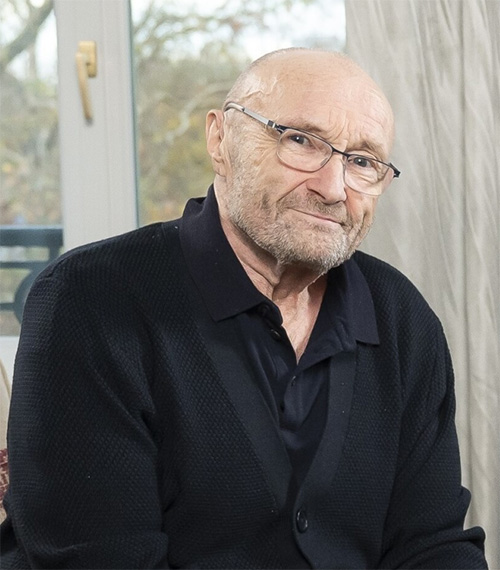
Phil Collins has spent a lifetime delivering songs about survival, regret, and second chances. In a new interview with The Sunday Times, the Genesis drummer and solo star has revealed just how close he came to needing those second chances in 2024 when alcohol nearly killed him.
Collins was hospitalized at the end of 2023 after his drinking spiraled out of control. What began as a relapse quickly became a medical emergency. His kidneys began to fail and his organs were shutting down. Doctors placed him on life support and were forced to confront the grim decision of whether or not to continue with efforts to keep him alive. Family and friends gathered at his bedside to say goodbye.
“My kidneys were packing up, my organs were just seizing up,” Collins recalled. “People were coming to say goodbye. But I don’t remember them coming. I didn’t have no idea this was going on. They were all worried that they wouldn’t see me again. It could all have gone so terribly wrong.”
He spent a long seven months in the hospital. When he finally emerged, he was sober and deeply aware of how close he had come to the end. “I was very lucky to have come out of that,” he said. “Needless to say, I haven’t had a drink since.”
This was not Collins’ first brush with alcohol-related disaster. In 2012 he was hospitalized with acute pancreatitis after years of heavy drinking. In his 2016 autobiography Not Dead Yet, he wrote that the episode “nearly killed me.” He quit drinking afterward and stayed sober for more than a decade. Then, in 2023, the emptiness that followed retirement proved to be too much.
“I’d have wine when I woke up,” he told The Sunday Times. “That was what I’d want for breakfast, a glass of wine.”
The pattern may sound familiar to anyone who has watched rock stars face retirement and old age. After decades of nonstop work, the sudden quiet can feel dangerous. Collins had stepped away from touring after Genesis’ final shows in 2022. Physical limitations had already ended his drumming career. A long history of spinal and neck problems left him with nerve damage that made holding sticks impossible. Drop foot, multiple knee surgeries, and Type 2 diabetes further restricted his mobility. He now walks with assistance and relies on a live-in nurse to manage his medication.

For a man who once powered through marathon tours and stadium sing-alongs, the loss of physical capability created a terrible void. He filled it the same way many musicians before him have: with alcohol. The difference this time was that his aging body could no longer absorb the damage.
Collins has never been one for self-pity in public. Even while describing the life-support crisis, his tone remains matter-of-fact, almost detached. He does not remember the visitors or the medical debates. The terror belonged to those around him, and that distance may be the only way a survivor can process the event without drowning in it.
The broader context of Collins’ health struggles stretches back years. A 2007 spinal injury and subsequent surgeries left lasting nerve damage, and by the time Genesis mounted their farewell tour, Collins could no longer play drums and performed seated while his son Nic handled the kit. In recent interviews he has spoken of using up his “air miles” as a performer. The 2024 hospitalization was simply the most extreme chapter in a longer story of a body that has carried more than its share of wear.
Even so, the story does not end in defeat and Collins is still very much still with us. He remains sober. He continues to live in Switzerland near Lake Geneva. And while the physical limitations are real and permanent in many respects, the man who wrote “Against All Odds” and “In the Air Tonight” has once again refused to disappear.
For fans who grew up with Collins’ music, the revelation lands with particular weight. His solo hits and Genesis catalog have soundtracked weddings, breakups, long drives, and quiet nights for millions. The idea that the voice behind those songs nearly went silent in a hospital room feels almost personal. The fact that he survived and is willing to discuss it openly may offer its own kind of comfort.
Collins has never claimed to be a saint or a subject of a cautionary tale. He is simply a musician who kept working long after many of his peers stepped back, then discovered that the silence after the applause can be as hazardous as the noise itself. In 2024 that silence nearly finished him and in 2026 he is still talking, still reflecting, and still very much alive.
The title of his autobiography was always more than a clever phrase. Not dead yet, indeed.